Vol. 6 No. 2 (2025): Codes: Culture, Mentality, Life
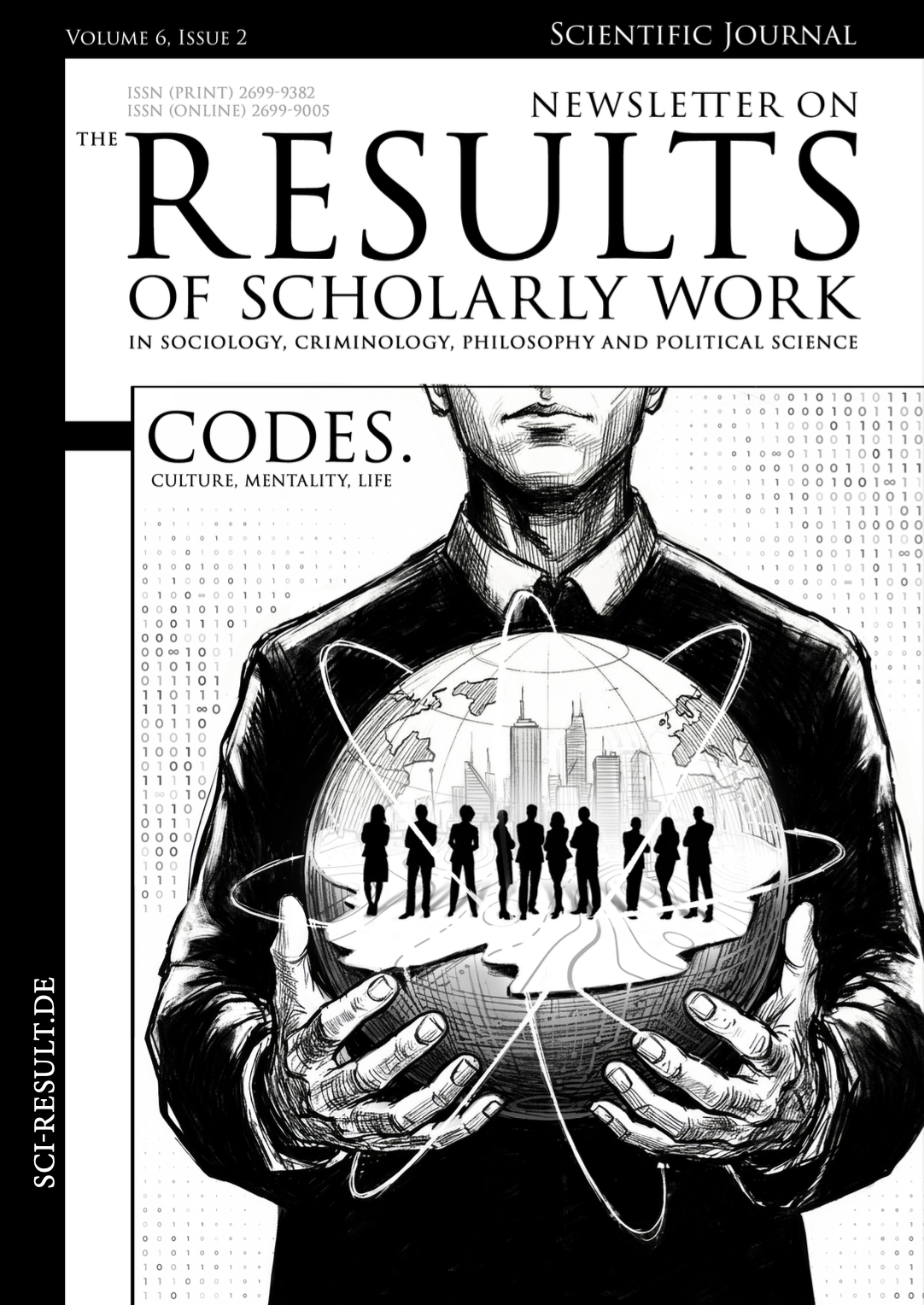
The issue presents an interdisciplinary collection of scholarly research bridging political philosophy, sociology, legal theory, and communication studies. This issue critically examines the complex intersection of biopolitical governance, technological acceleration, and the transformations of cultural mechanisms in contemporary society.
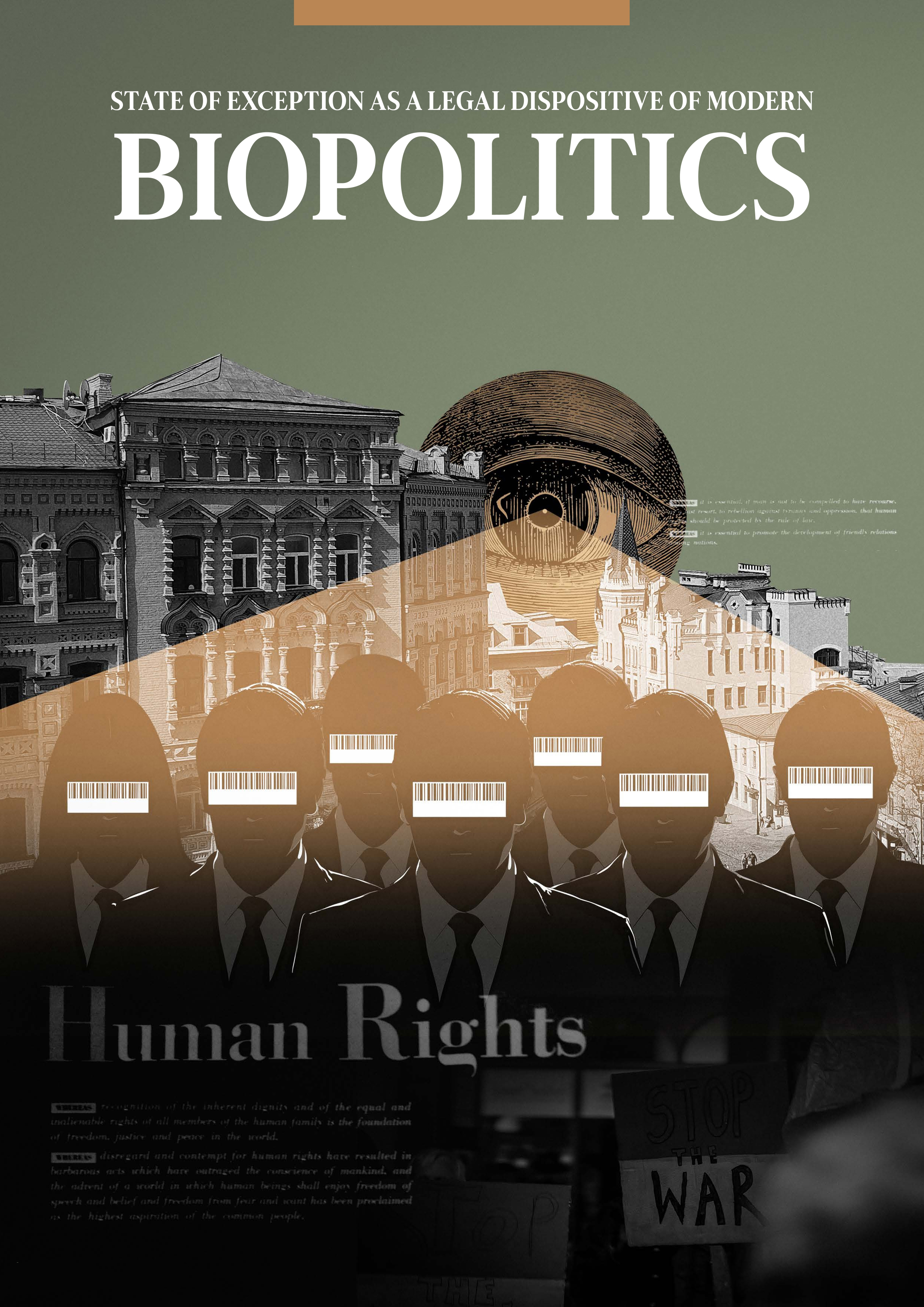
The volume opens with a philosophical analysis of the "state of exception," investigating how temporary emergency measures have normalized into permanent dispositifs of power within the digital age, shifting focus from individual bodies to population management as a collective biomass. Extending this exploration of political control, subsequent research investigates cultural codes as a "code of codes," delineating the implicit and explicit boundaries between institutional sovereignty (Polis) and civilizational sense of belonging (Politeia), particularly highlighted through contemporary geopolitical rifts and legal constraints on scholarly inquiry.
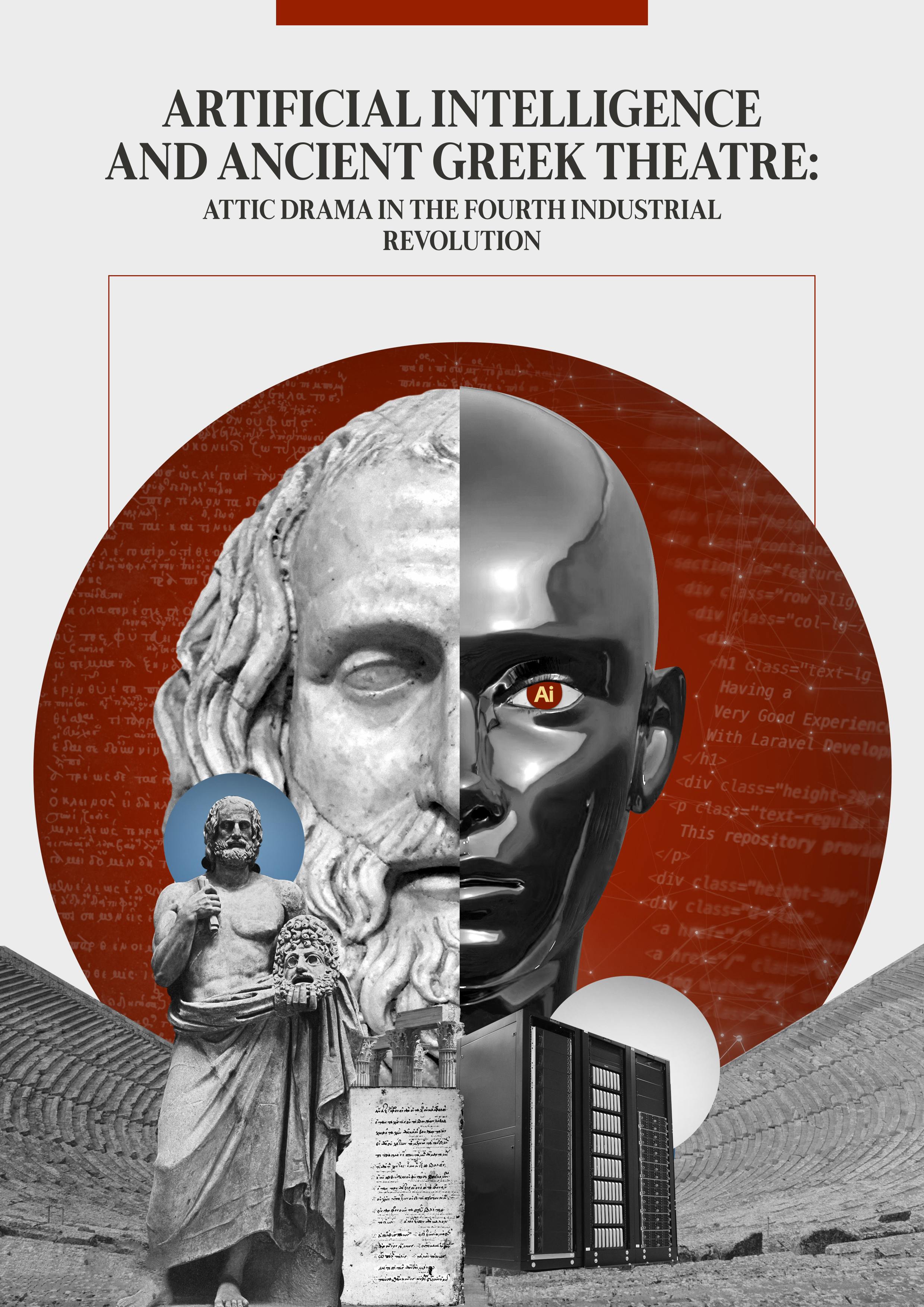
Turning toward technological and ethical dimensions of the Fourth Industrial Revolution, the issue introduces a model of "tragic humanism" derived from classical Attic drama to provide a vital ethical grammar for interpreting modern AI dilemmas, algorithmic opacity, and life-extension technologies. Complementing this humanistic perspective, a theoretical framework on the Internet of Things (IoT) integrates information economics with legal theory, proposing localized, decentralized machine-level information systems to mitigate severe privacy, security, and product liability risks. Finally, the issue evaluates the strategic and historical role of storytelling, illustrating how narrative control, media dissemination, and strategic psychological operations shape global cultural memories and manipulate public perception.
Collectively, the contributions in this issue offer profound insights into the erosion of individual subjectivity, the regulatory demands of connected technologies, and the existential conditions required to safeguard human dignity in an increasingly automated world.